Binance Mastercard Launches in Brazil - Can Crypto Cards Make Digital Assets Mainstream?

Cryptocurrency, in the form of Bitcoin, Ether, or any of the other various coins and stablecoins, occupy an extremely popular space in the market. But to date, their use for day-to-day payments is niche. However, this is starting to change, with mainstream payments companies increasingly partnering with brands to enable different ways to access cryptocurrency.
One such way of reaching a more mainstream audience is via crypto cards. Binance, the largest cryptocurrency exchange in terms of daily trading volume of crypto, launched a crypto card in Brazil, alongside Mastercard, at the beginning of the month. This sees crypto payment options in one of the world’s top ten markets for cryptocurrency adoption expand exponentially.
The Binance Mastercard enables verified users in Brazil to pay with cryptocurrencies at more than 150 million Mastercard-accepting merchants worldwide. At the point of checkout, cryptoassets such as Bitcoin, Ethereum, stablecoins, and over 100 other supported tokens are converted into local fiat currency in real-time. This signals a major step towards mainstream acceptance of cryptocurrencies in everyday life; bridging the gap between digital assets and traditional finance in Brazil, and paving the way for accelerated adoption, greater payment choice, and increased financial innovation across the national payments landscape.
The Binance Mastercard can be used for purchases in store and online, and also gives cardholders the opportunity to earn up to 2% cashback on eligible transactions; capped at 120 BRL (USD $22.59) per month. The launch is part of Binance’s ongoing efforts to expand the use cases of cryptocurrencies and bring them closer to traditional finance; empowering Brazilian nationals to make payments anywhere in the world.
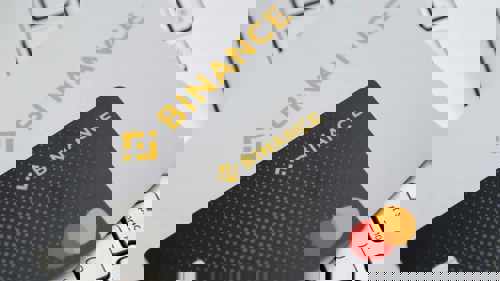
Source: Binance
Crypto Adoption
According to Chainalysis, Brazil ranks as the fifth largest adopter of crypto worldwide, and the largest in Latin America. Latin America saw adoption surge 63% in 2025; making it one of the fastest-growing regions for crypto globally. Chainalysis states that both retail and institutional investors have pushed Brazil, in particular, into its global fifth position.
Adoption of paying with crypto is steadily advancing worldwide too, fuelled by continued innovation in payment instruments and growing user confidence in digital assets. While penetration remains higher among tech-savvy populations, and in regions facing economic volatility, mainstream accessibility is increasing as established players continue to bring crypto rails to everyday spending. This recent launch marks an important stage of development - it enables consumers to seamlessly convert cryptocurrencies into Brazilian reals at the point of sale; facilitating purchases across millions of merchants both online and in store. This card exemplifies how crypto payments are gradually blending into existing financial ecosystems; providing a compelling alternative for those seeking greater flexibility or hedging against inflation.
Within Brazil, and comparable emerging markets, such solutions are particularly resonant. Limited access to traditional banking fuels demand for financial alternatives, while a culture of rapid digital adoption and government initiatives such as Pix have primed consumers for new payment modalities. The integration of the Binance Mastercard with local payment infrastructure allows Brazilian residents not only to spend their crypto holdings directly, but also to benefit from rewards and real-time conversion rates offered by leading exchanges. As regulatory clarity develops and infrastructure matures, Juniper Research expects similar card-based crypto payment models to expand into other regions; deepening global adoption and shaping the next phase of digital finance.
Why Move Towards This?
From a consumer standpoint, some advantages of adopting crypto card payments include:
- Lower fees and faster settlement, especially for cross-border spend and remittances, which can reduce costs and waiting times compared with traditional rails.
- Always-on availability enables transfers outside banking hours; improving convenience for urgent or international payments.
- Greater access and inclusion for people with only a smartphone and Internet; expanding participation where traditional banking is limited.
- Rewards and cashback on crypto-linked spend to add tangible value and encourage habitual use.
Looking at it from a provider perspective on the other hand, some advantages include the following:
- Reduced intermediary involvement and more direct transaction settlement can lower operating costs for merchants and platforms; with processing fees typically falling between 0.5%–1% for crypto compared to 1.5%-3.5% for credit and debit cards.
- Access to new customer segments, including cross-border shoppers, can lift conversion and average order values.
- Instant, irrevocable settlement improves cash flow and reduces reconciliation complexity across markets.
Although the adoption of cryptocurrencies as a primary payment method remains highly appealing, due to its potential to enhance speed, reduce costs, and foster financial inclusion, there are still significant questions which need to be addressed.
One of the foremost challenges is the fragmentation and lack of interoperability across different blockchains and stablecoins, which creates liquidity silos and complicates seamless payment experiences for both consumers and merchants. This fragmentation limits the ability to use cryptocurrencies universally and efficiently at scale; hindering the vision of a fully integrated, global digital payment ecosystem.
So What Comes Next?
Following the announcement of the Binance Mastercard, Juniper Research anticipates the adoption of cryptocurrencies as a mainstream payment method is likely to accelerate, particularly in fast-growing markets such as Brazil. The card’s global acceptance at millions of Mastercard merchants, combined with real-time conversion of cryptoassets into local currency at the point of sale, will make spending cryptocurrencies straightforward and accessible. This development will prompt other exchanges and payment providers to introduce similar products; broadening the availability of crypto payments worldwide.
Moreover, features such as cashback rewards and user-friendly app management will encourage regular use by consumers, while merchants will benefit from increased transaction volumes and access to new customer segments. Overall, this marks a significant shift towards integrating digital assets into everyday financial life; strengthening the bridge between traditional finance and the crypto ecosystem.
Christian Rau, Senior Vice President of Global Partnerships, Digital Assets, Blockchain, and Fintech Enablement at Mastercard, was quoted in the launch announcement saying that “Mastercard is working with leading exchanges globally to unlock the potential of cryptoassets for everyday use.” He went on to specify that the announcement of the Binance Mastercard marks an important step in Mastercard’s journey. This indicates that the movement towards a closer integration of cryptoassets with everyday financial systems will be largely driven by collaboration between traditional payment networks and leading crypto exchanges.
This approach indicates a future where seamless, secure, and compliant crypto payments are embedded within existing financial infrastructure; enabling broader consumer access and merchant acceptance.
As a Research Analyst at Juniper Research, Thomas provides up-to-date trends analysis, competitive landscape appraisal, and market sizing for industries such as A2A Payments, Digital ID & Verification & Merchant Fraud Prevention.
Latest research, whitepapers & press releases
-
 ReportApril 2026Fintech & Payments
 Nick MaynardAgentic Commerce Market: 2026-2031
Juniper Research’s Agentic Commerce research suite provides an insightful analysis of this rapidly emerging market; enabling stakeholders, including AI developers, payment infrastructure providers, eCommerce marketplaces, merchants and many others, to understand future growth, key trends, and the competitive environment.
VIEW -
 ReportMarch 2026Fintech & Payments
 Michael GreenwoodB2B Payment Cards Market: 2026-2030
Our B2B card payments research suite provides detailed analysis of this rapidly changing market; allowing B2B card providers to gain an understanding of key payment trends and challenges, potential growth opportunities, and the competitive environment.
VIEW -
 ReportMarch 2026Telecoms & Connectivity
 Alex WebbDirect Carrier Billing Market: 2026-2030
Our Direct Carrier Billing research suite for mobile network operators provides detailed analysis and strategic recommendations for the direct carrier billing market over the next four years.
VIEW -
 ReportMarch 2026Fintech & Payments
 Lorien CarterCross-border Payments Market: 2026-2030
Our Cross-border Payments research suite provides a comprehensive and in-depth analysis of the evolving cross-border payments landscape; enabling stakeholders such as businesses, financial institutions, payment service providers, card networks, regulators, and technology infrastructure providers to understand future growth, key trends, and the competitive environment.
VIEW -
 ReportFebruary 2026Telecoms & Connectivity
 Ardit BallhysaMobile Messaging Market: 2026-2030
Juniper Research’s Mobile Messaging research suite provides mobile messaging vendors, mobile network operators, and enterprises with intelligence on how to capitalise on changing market dynamics within the mobile messaging market.
VIEW -
 ReportFebruary 2026Fintech & Payments
 Shane O'SullivanKYC/KYB Systems Market: 2026-2030
Our KYC/KYB Systems research suite provides a detailed and insightful analysis of an evolving market; enabling stakeholders such as financial institutions, eCommerce platforms, regulatory agencies and technology vendors to understand future growth, key trends and the competitive environment.
VIEW


-
 WhitepaperApril 2026Fintech & Payments
Nick Maynard
WhitepaperApril 2026Fintech & Payments
Nick MaynardAgentic Commerce - Revolution or False Dawn?
Our complimentary whitepaper assesses the trends that are increasing agentic commerce adoption, and challenges to agentic commerce usage. Additionally, it includes a forecast summary of the global spend on agentic commerce by 2030.
VIEW -
 WhitepaperMarch 2026Fintech & Payments
Michael Greenwood
WhitepaperMarch 2026Fintech & Payments
Michael GreenwoodHow B2B Payment Cards Are Streamlining Corporate Expenses
Our complimentary whitepaper, How B2B Payment Cards Are Streamlining Corporate Expenses, examines the state of the B2B payment cards market; considering its impact on different geographies and how it is shaping the modern B2B payments landscape through card controls, payment data analysis tools, and fully integrated spend management solutions.
VIEW -
 WhitepaperMarch 2026Telecoms & Connectivity
Alex Webb
WhitepaperMarch 2026Telecoms & Connectivity
Alex WebbDirect Carrier Billing: Unlocking Emerging Revenue Streams for Operators
Our complimentary whitepaper, Direct Carrier Billing: Unlocking Emerging Revenue Streams for Operators, explores the emerging opportunities for mobile network operators to monetise direct carrier billing.
VIEW -
 WhitepaperMarch 2026Telecoms & Connectivity
 Molly Gatford
MWC 2026: What's Next for Mobile?
Our latest whitepaper distils the most important announcements from MWC Barcelona 2026 and examines what they mean for the telecoms market over the year ahead. From network APIs and 5G monetisation to AI-RAN, direct-to-cell connectivity, and 5G-Advanced, it explains where the biggest opportunities — and challenges — will emerge next.
VIEW -
 WhitepaperMarch 2026Fintech & Payments
Lorien Carter
WhitepaperMarch 2026Fintech & Payments
Lorien CarterThe Transformation of Cross-border Payment Infrastructure
Our complimentary whitepaper, The Transformation of Cross-border Payment Infrastructure, examines the state of the cross-border payments market; explaining the role of key actors in transforming the cross-border payment experience, as well as the current landscape and recent developments within the cross-border payments industry.
VIEW -
 WhitepaperFebruary 2026Telecoms & Connectivity
Ardit Ballhysa
WhitepaperFebruary 2026Telecoms & Connectivity
Ardit BallhysaHow Social Media Will Disrupt Mobile Messaging Channels in 2026
Our complimentary whitepaper, How Social Media Will Disrupt Mobile Messaging Channels in 2026, explores the challenges and opportunities for operators and enterprises as social media traffic continues to increase.
VIEW


-
Fintech & Payments
Agentic Commerce Set to Generate $1.5 Trillion Globally by 2030, as Payments Infrastructure Leaders Revealed
April 2026 -
Fintech & Payments
B2B Card Payments to Reach $11 Trillion Globally in 2030, Accelerated by Increased Corporate Use
March 2026 -
Telecoms & Connectivity
Direct Carrier Billing to Grow by $35 Billion Globally Over the Next Four Years, as Anti-fraud Capabilities Are Enhanced by Network APIs
March 2026 -
Fintech & Payments
Sophisticated Microfinance Services Spend to Surpass $22 billion By 2030, as Mobile Money Services in Emerging Markets Mature
March 2026 -
Fintech & Payments
Top Three Global Leaders in Cross-border Payment Infrastructure Revealed
March 2026 -
Telecoms & Connectivity
MVNO Subscriber Revenue to Exceed $50 Billion Globally in 2030
March 2026