Binance Mastercard Launches in Brazil - Can Crypto Cards Make Digital Assets Mainstream?

Cryptocurrency, in the form of Bitcoin, Ether, or any of the other various coins and stablecoins, occupy an extremely popular space in the market. But to date, their use for day-to-day payments is niche. However, this is starting to change, with mainstream payments companies increasingly partnering with brands to enable different ways to access cryptocurrency.
One such way of reaching a more mainstream audience is via crypto cards. Binance, the largest cryptocurrency exchange in terms of daily trading volume of crypto, launched a crypto card in Brazil, alongside Mastercard, at the beginning of the month. This sees crypto payment options in one of the world’s top ten markets for cryptocurrency adoption expand exponentially.
The Binance Mastercard enables verified users in Brazil to pay with cryptocurrencies at more than 150 million Mastercard-accepting merchants worldwide. At the point of checkout, cryptoassets such as Bitcoin, Ethereum, stablecoins, and over 100 other supported tokens are converted into local fiat currency in real-time. This signals a major step towards mainstream acceptance of cryptocurrencies in everyday life; bridging the gap between digital assets and traditional finance in Brazil, and paving the way for accelerated adoption, greater payment choice, and increased financial innovation across the national payments landscape.
The Binance Mastercard can be used for purchases in store and online, and also gives cardholders the opportunity to earn up to 2% cashback on eligible transactions; capped at 120 BRL (USD $22.59) per month. The launch is part of Binance’s ongoing efforts to expand the use cases of cryptocurrencies and bring them closer to traditional finance; empowering Brazilian nationals to make payments anywhere in the world.
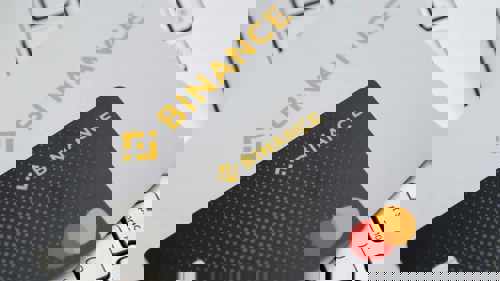
Source: Binance
Crypto Adoption
According to Chainalysis, Brazil ranks as the fifth largest adopter of crypto worldwide, and the largest in Latin America. Latin America saw adoption surge 63% in 2025; making it one of the fastest-growing regions for crypto globally. Chainalysis states that both retail and institutional investors have pushed Brazil, in particular, into its global fifth position.
Adoption of paying with crypto is steadily advancing worldwide too, fuelled by continued innovation in payment instruments and growing user confidence in digital assets. While penetration remains higher among tech-savvy populations, and in regions facing economic volatility, mainstream accessibility is increasing as established players continue to bring crypto rails to everyday spending. This recent launch marks an important stage of development - it enables consumers to seamlessly convert cryptocurrencies into Brazilian reals at the point of sale; facilitating purchases across millions of merchants both online and in store. This card exemplifies how crypto payments are gradually blending into existing financial ecosystems; providing a compelling alternative for those seeking greater flexibility or hedging against inflation.
Within Brazil, and comparable emerging markets, such solutions are particularly resonant. Limited access to traditional banking fuels demand for financial alternatives, while a culture of rapid digital adoption and government initiatives such as Pix have primed consumers for new payment modalities. The integration of the Binance Mastercard with local payment infrastructure allows Brazilian residents not only to spend their crypto holdings directly, but also to benefit from rewards and real-time conversion rates offered by leading exchanges. As regulatory clarity develops and infrastructure matures, Juniper Research expects similar card-based crypto payment models to expand into other regions; deepening global adoption and shaping the next phase of digital finance.
Why Move Towards This?
From a consumer standpoint, some advantages of adopting crypto card payments include:
- Lower fees and faster settlement, especially for cross-border spend and remittances, which can reduce costs and waiting times compared with traditional rails.
- Always-on availability enables transfers outside banking hours; improving convenience for urgent or international payments.
- Greater access and inclusion for people with only a smartphone and Internet; expanding participation where traditional banking is limited.
- Rewards and cashback on crypto-linked spend to add tangible value and encourage habitual use.
Looking at it from a provider perspective on the other hand, some advantages include the following:
- Reduced intermediary involvement and more direct transaction settlement can lower operating costs for merchants and platforms; with processing fees typically falling between 0.5%–1% for crypto compared to 1.5%-3.5% for credit and debit cards.
- Access to new customer segments, including cross-border shoppers, can lift conversion and average order values.
- Instant, irrevocable settlement improves cash flow and reduces reconciliation complexity across markets.
Although the adoption of cryptocurrencies as a primary payment method remains highly appealing, due to its potential to enhance speed, reduce costs, and foster financial inclusion, there are still significant questions which need to be addressed.
One of the foremost challenges is the fragmentation and lack of interoperability across different blockchains and stablecoins, which creates liquidity silos and complicates seamless payment experiences for both consumers and merchants. This fragmentation limits the ability to use cryptocurrencies universally and efficiently at scale; hindering the vision of a fully integrated, global digital payment ecosystem.
So What Comes Next?
Following the announcement of the Binance Mastercard, Juniper Research anticipates the adoption of cryptocurrencies as a mainstream payment method is likely to accelerate, particularly in fast-growing markets such as Brazil. The card’s global acceptance at millions of Mastercard merchants, combined with real-time conversion of cryptoassets into local currency at the point of sale, will make spending cryptocurrencies straightforward and accessible. This development will prompt other exchanges and payment providers to introduce similar products; broadening the availability of crypto payments worldwide.
Moreover, features such as cashback rewards and user-friendly app management will encourage regular use by consumers, while merchants will benefit from increased transaction volumes and access to new customer segments. Overall, this marks a significant shift towards integrating digital assets into everyday financial life; strengthening the bridge between traditional finance and the crypto ecosystem.
Christian Rau, Senior Vice President of Global Partnerships, Digital Assets, Blockchain, and Fintech Enablement at Mastercard, was quoted in the launch announcement saying that “Mastercard is working with leading exchanges globally to unlock the potential of cryptoassets for everyday use.” He went on to specify that the announcement of the Binance Mastercard marks an important step in Mastercard’s journey. This indicates that the movement towards a closer integration of cryptoassets with everyday financial systems will be largely driven by collaboration between traditional payment networks and leading crypto exchanges.
This approach indicates a future where seamless, secure, and compliant crypto payments are embedded within existing financial infrastructure; enabling broader consumer access and merchant acceptance.
As a Research Analyst at Juniper Research, Thomas provides up-to-date trends analysis, competitive landscape appraisal, and market sizing for industries such as A2A Payments, Digital ID & Verification & Merchant Fraud Prevention.
Latest research, whitepapers & press releases
-
 ReportOctober 2026Fintech & Payments
 Michael GreenwoodAccounts Payable Automation Market: 2026-2031
Our Accounts Payable (AP) Automation research suite provides an insightful analysis of this rapidly growing market; enabling stakeholders to understand future growth, key trends and the competitive environment.
VIEW -
 ReportOctober 2026Fintech & Payments
 Jawad JahanCrypto-gaming Market: 2026-2035
Our Crypto-gaming Market research suite provides an insightful analysis of this rapidly growing market; enabling stakeholders - from crypto-gaming and sportsbooks operators, prediction market platforms, business-to-business (B2B) gambling platforms and software providers, to crypto payment processors and regulators - to understand future growth, key trends, and the competitive environment.
VIEW -
 ReportOctober 2026Telecoms & Connectivity
 Alex WebbRetail Roaming Market: 2026-2031
Our Retail Roaming research suite for mobile network operators (MNOs) and mobile virtual network operators (MVNOs) provides detailed analysis and strategic recommendations for the next era of retail roaming.
VIEW -
 ReportSeptember 2026Fintech & Payments
 Dr Manju ChhillarEmbedded Finance Market: 2026-2031
Embedded finance is one of the fastest-growing markets in financial services, and is about to accelerate even further. Our Embedded Finance Market research provides detailed analysis of the key drivers behind this growth, and what these mean for stakeholders in this market.
VIEW -
 ReportSeptember 2026Identity & Security
 Thomas WilsonApplication Security Market: 2026-2031
Our Application Security research suite provides detailed analysis of this emerging market; allowing application security providers to gain an understanding of key security trends and challenges, potential growth opportunities, and the competitive environment.
VIEW -
 ReportSeptember 2026Fintech & Payments
 Shane O'SullivanBanking Fraud Prevention Market: 2026-2031
Our Banking Fraud Prevention research suite provides a comprehensive and in-depth analysis of the types of fraud currently impacting the banking sector, and the evolving methods that can be used to overcome them.
VIEW


-
 WhitepaperOctober 2026Fintech & Payments
Michael Greenwood
WhitepaperOctober 2026Fintech & Payments
Michael GreenwoodAccounts Payable Automation ~ How Businesses Are Reducing Operational Costs
Our complimentary whitepaper, Accounts Payable Automation ~ How Businesses Are Reducing Operational Costs, analyses how AP automation is combatting costs by decreasing the need for manual processes, and provides strategic insight into a number of key trends in the AP automation space.
VIEW -
 WhitepaperOctober 2026Fintech & Payments
Jawad Jahan
WhitepaperOctober 2026Fintech & Payments
Jawad JahanCompliance or Anonymity - The Crypto-gaming Operator’s Dilemma
Our complimentary whitepaper, Compliance or Anonymity - The Crypto-gaming Operator’s Dilemma, analyses the current regulatory landscape of the crypto-gaming market.
VIEW -
 WhitepaperOctober 2026Telecoms & Connectivity
Alex Webb
WhitepaperOctober 2026Telecoms & Connectivity
Alex WebbReimagining the Future of Retail Roaming – How Mobile Network Operators Must Adapt
Our complimentary whitepaper, Reimagining the Future of Retail Roaming – How Mobile Network Operators Must Adapt, explores the emerging opportunities for MNOs within retail roaming.
VIEW -
 WhitepaperSeptember 2026Fintech & Payments
Dr Manju Chhillar
WhitepaperSeptember 2026Fintech & Payments
Dr Manju ChhillarEmerging Markets: The Next Opportunity for Embedded Finance
This free whitepaper examines how a combination of multiple factors is driving North America towards saturation for embedded finance.
VIEW -
 WhitepaperSeptember 2026Emerging Technology
Thomas Wilson
WhitepaperSeptember 2026Emerging Technology
Thomas WilsonVibe Coding: The Fastest-growing Threat to Application Security Today
Our complimentary whitepaper, Vibe Coding: The Fastest-growing Threat to Application Security Today, examines the state of the application security market; considering its impact on different verticals, and how it is being employed in these verticals to best combat malicious attackers and keep sensitive data safe.
VIEW -
 WhitepaperSeptember 2026Fintech & Payments
Shane O'Sullivan
WhitepaperSeptember 2026Fintech & Payments
Shane O'SullivanThe Fraud Frontier: Securing Banking in an AI-driven Era
Our complimentary whitepaper, The Fraud Frontier: Securing Banking in an AI-driven Era, examines the rapidly evolving state of the banking fraud prevention market.
VIEW


-
Fintech & Payments
26th NextGen Payments & RegTech Forum Arrives in Austin, Texas
October 2026 -
Fintech & Payments
Financial Institutions to Spend Over $66.2 Billion Globally on Fraud Prevention by 2031, Driven by Growing Demand for Cross-industry Fraud Intelligence
October 2026 -
Fintech & Payments
Omnichannel Payment Platforms to See a Dramatic 172% Growth in the Value of Transactions Processed Globally by 2031, as Merchants Capitalise on Payment Data
October 2026 -
Fintech & Payments
Accounts Payable Automation to Save Global Businesses 6.2 Billion Hours by 2031, Accelerated by Business System Integration
October 2026 -
Fintech & Payments
The 25th NextGen Payments & RegTech Forum Arrives in Athens, Greece
October 2026 -
Fintech & Payments
Crypto Gaming: Wagers to Reach $1.3 Trillion by 2035, as Crypto Rails Widen Global Access Despite Regulatory Challenges
October 2026